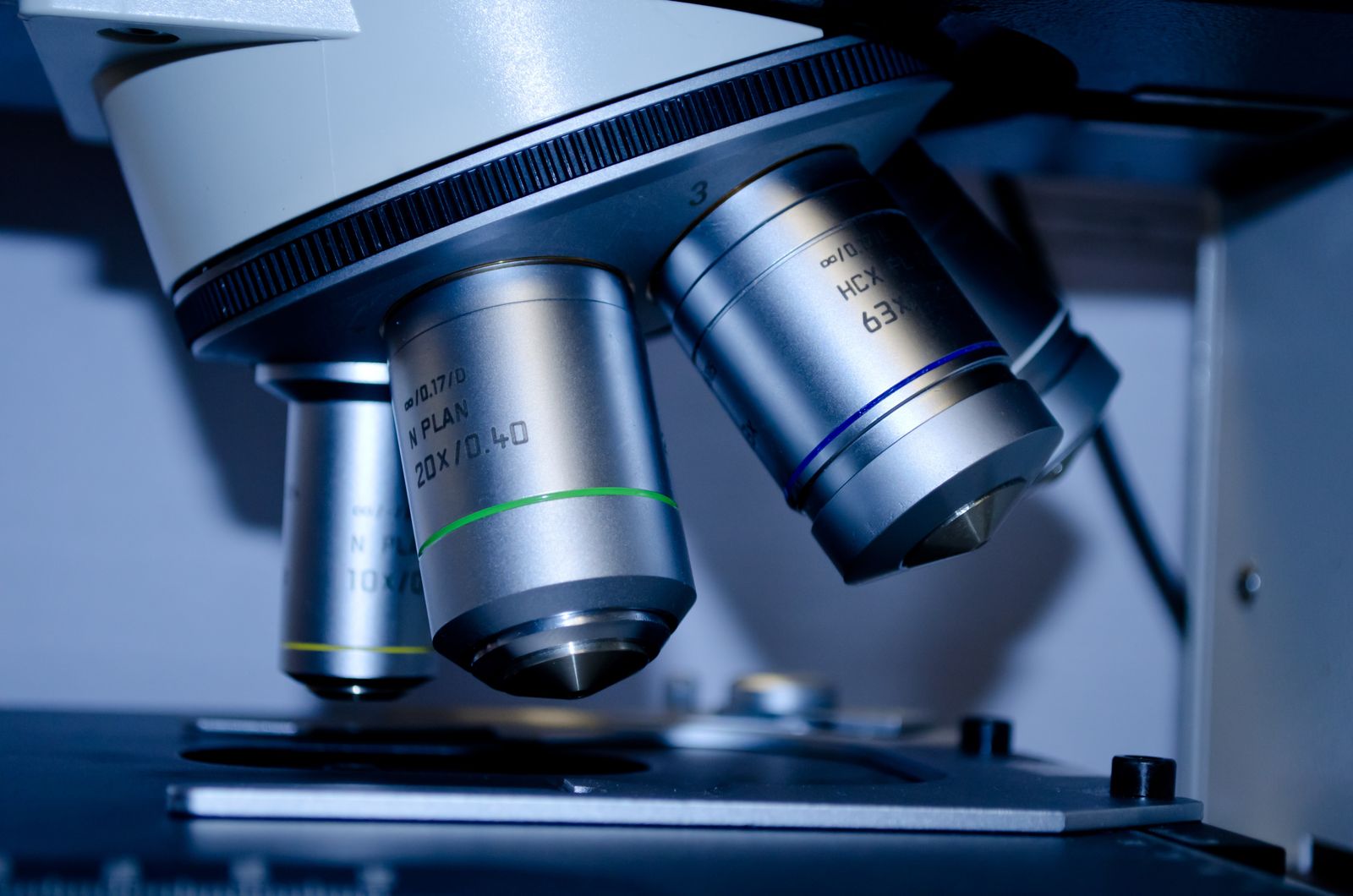
What comes in the crate with every system — and the upgrades that tailor it to your laboratory's workflow.
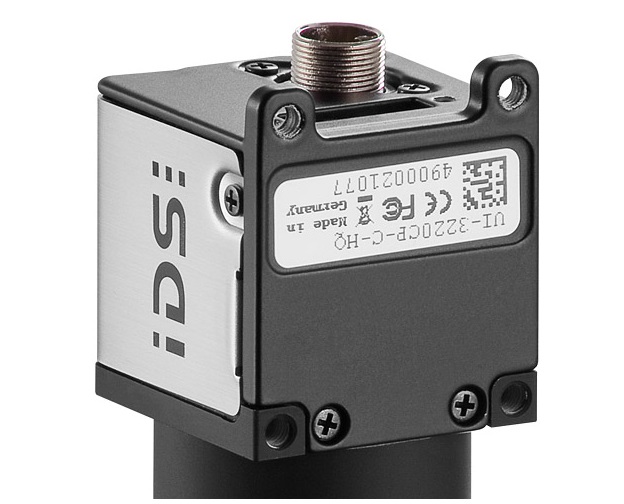
A 4 MP camera with a 1-inch sensor: 12-bit colour at 2048 × 2048 pixels and up to 75 frames per second. At the 100× magnification where FTD's critical work happens, the optical resolution leaving the microscope is well below 4 MP — so a higher-resolution camera would add nothing. Frame rate is what matters, and this camera delivers it.
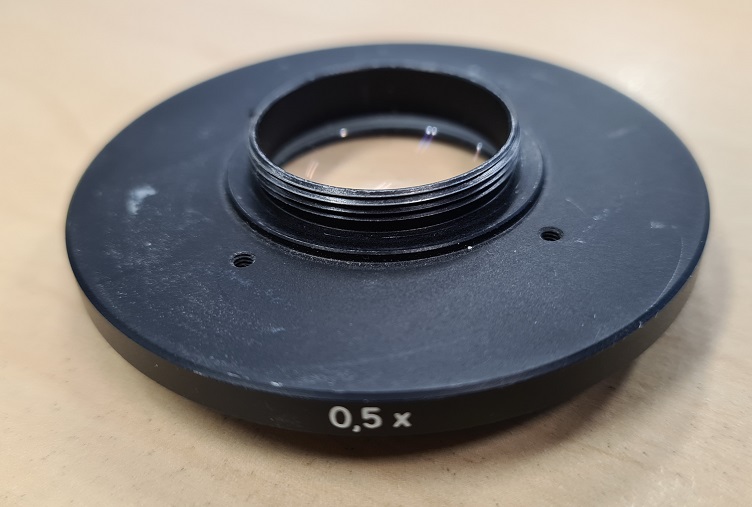
The camera mount is matched to the camera's chip size, so the on-screen image corresponds exactly to the view through the eyepieces. The mount for the IDS UI-3370CP camera uses a 0.63× reduction lens; other camera models take 0.5× or 1.0× lenses as appropriate.
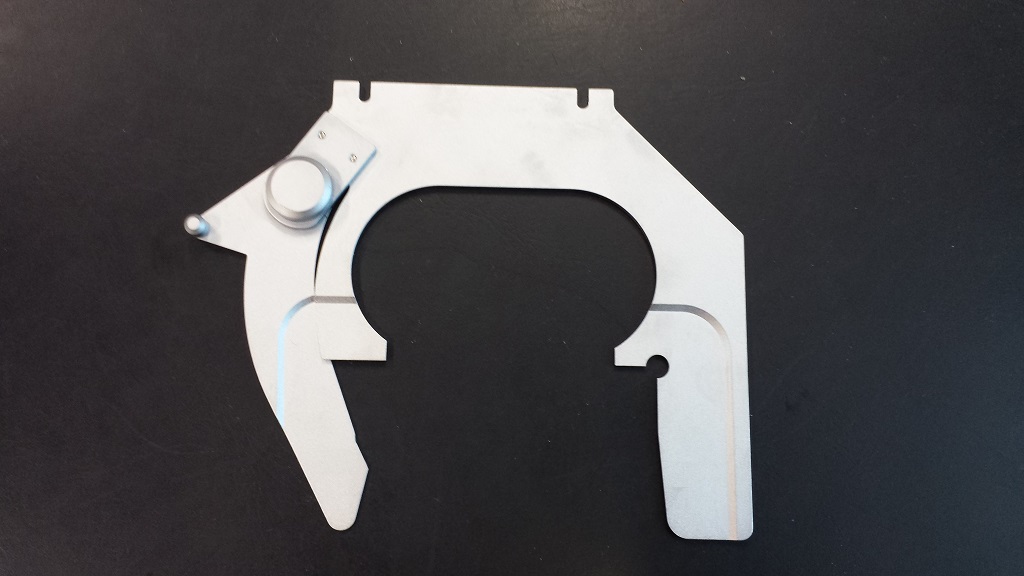
Every stepper-stage system ships with the standard Zeiss holder for 25 × 75 mm slides, a quick-attach magnetic adapter, our patented AB-type holder (one standard slide or three 25 × 30 mm sample slides, with reversible retaining buttons) and our C-type holder for petrographic and pseudo-petrographic slides.
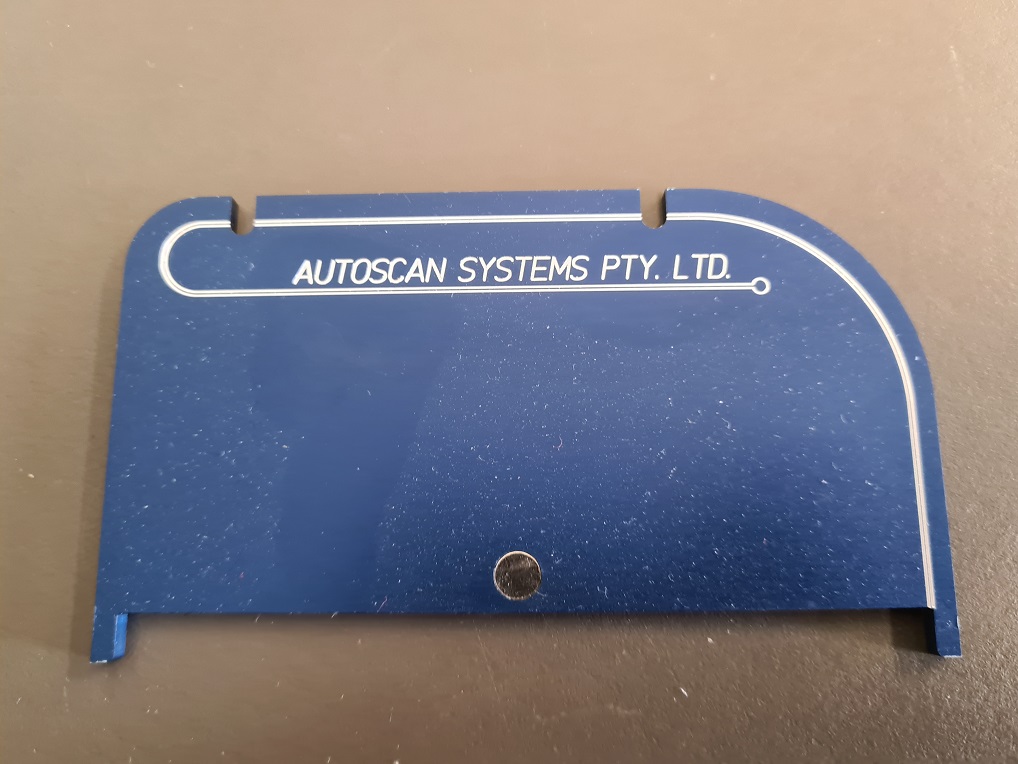
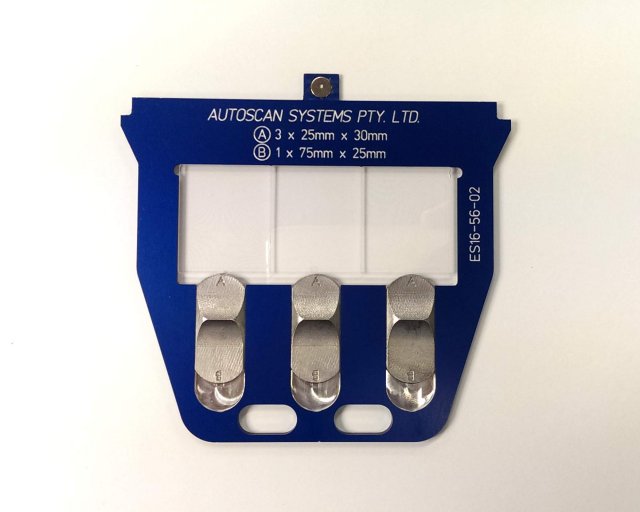
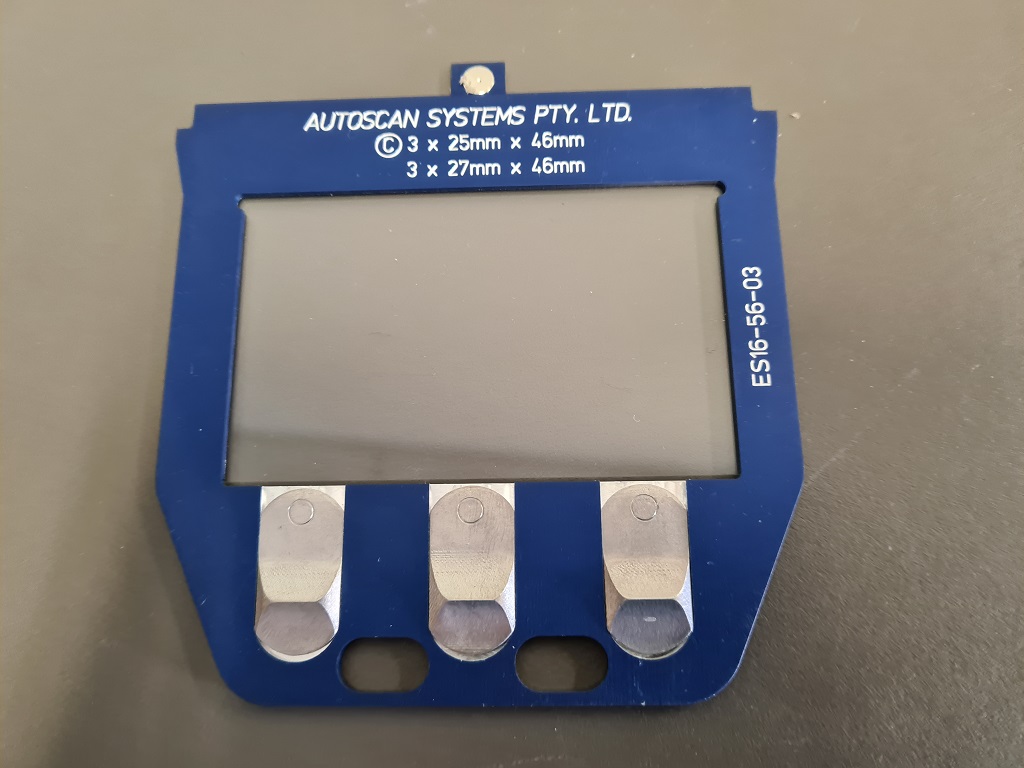
Each of these can be quoted with a new system, or supplied later as your requirements grow.
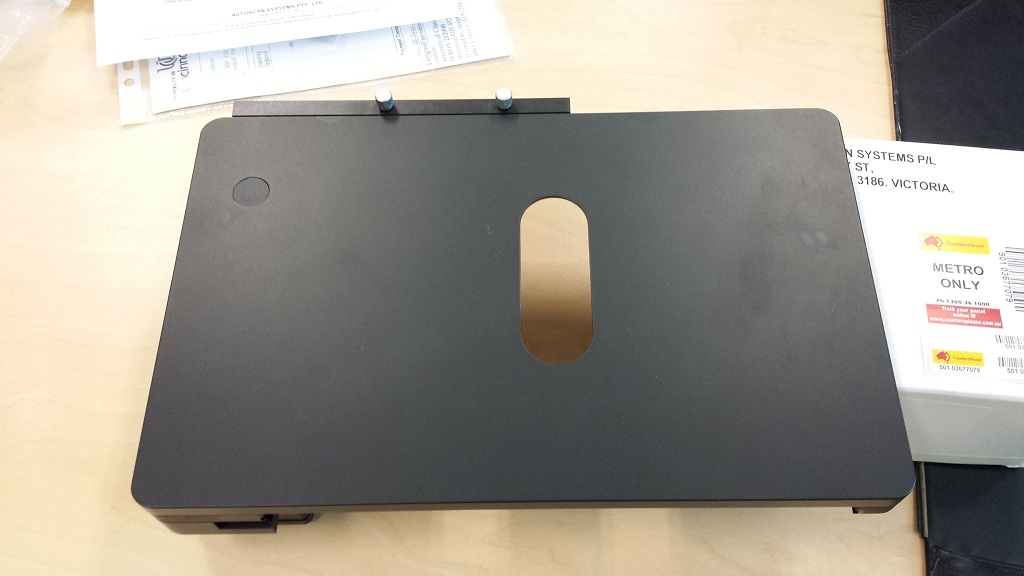
Supplied with its own high-voltage controller that plugs straight into the microscope's CAN bus, so our software drives it exactly like the standard stage. Ideal for high-volume laboratories — and users tell us it runs noticeably smoother and more accurately than the stepper stage. Supplied with patented Autoscan AB and C slide holders. Priced as a substitution at system purchase; outright purchase priced separately.
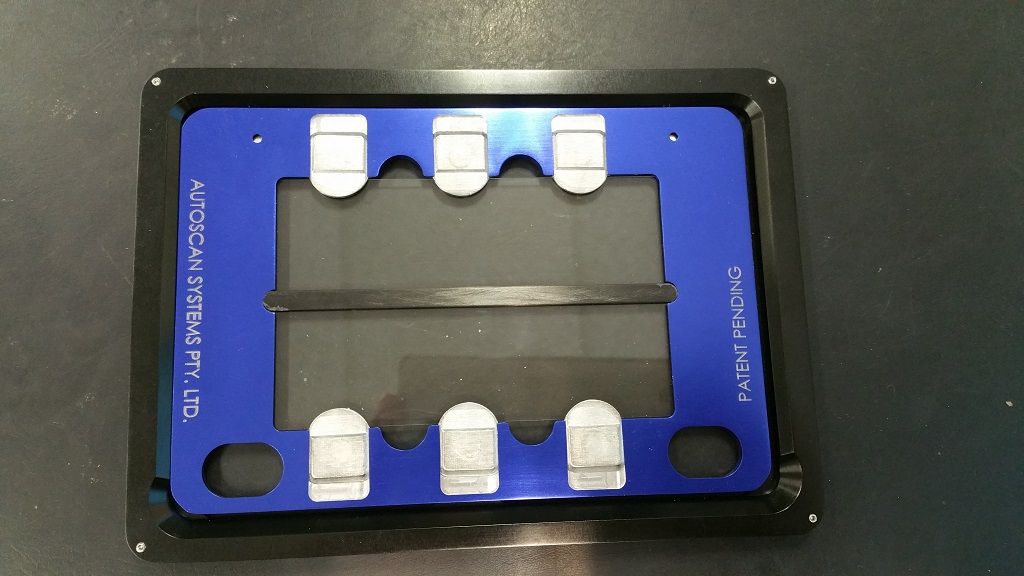
Patented holders that queue up to six 25 × 30 mm slides for continuous unattended analysis. Each set includes two holders and a fast-release adapter frame — load the next batch on the bench while the stage keeps working.
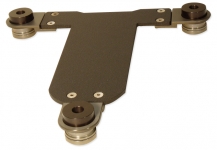
FTD work happens at 1000× magnification — which magnifies every tremor in your building along with the tracks. This platform isolates the microscope where floor vibration is significant. See also our anti-vibration guide for effective low-cost alternatives.
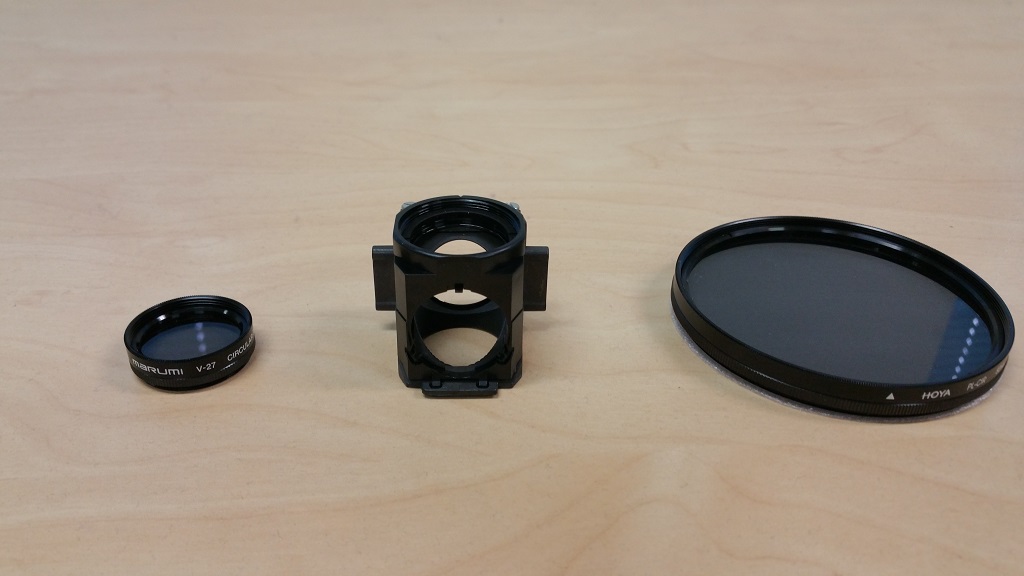
A spare mirror cube fitted with two circularly polarised filters. Identifying apatite grains with etch pits aligned along the C-axis is normally a slow, high-magnification chore — the CPL kit makes suitable grains stand out immediately.
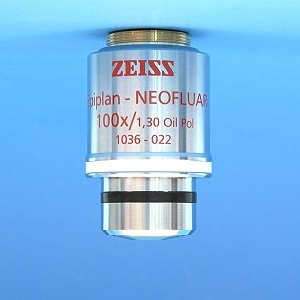
Epiplan-Neofluar 100×/1.3 Oil (WD 0.37 mm), supplied with a 20 ml bottle of Immersol 518 N. The favourite of researchers working with zircons. Related options include an Optovar magnification changer and 16× eyepieces — ask us for details.
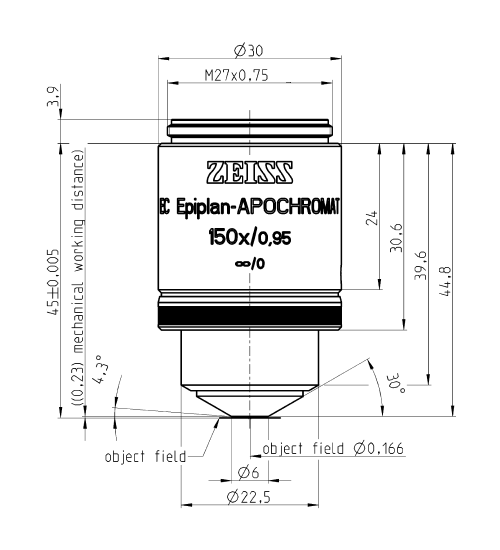
An Epiplan-Neofluar 150× dry objective — the alternative zircon workhorse for laboratories that prefer to avoid immersion oil.
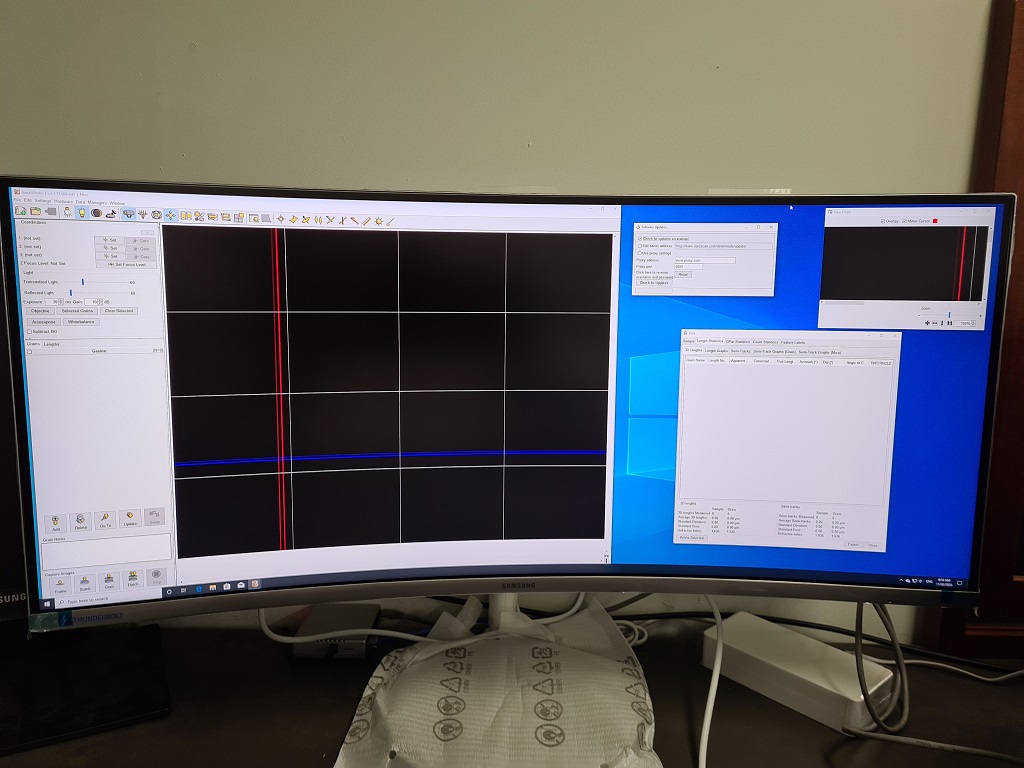
Replaces the standard dual 24″ monitors: all TrackWorks windows on a single screen, less desk space consumed, and a wall-mount plate in the box.
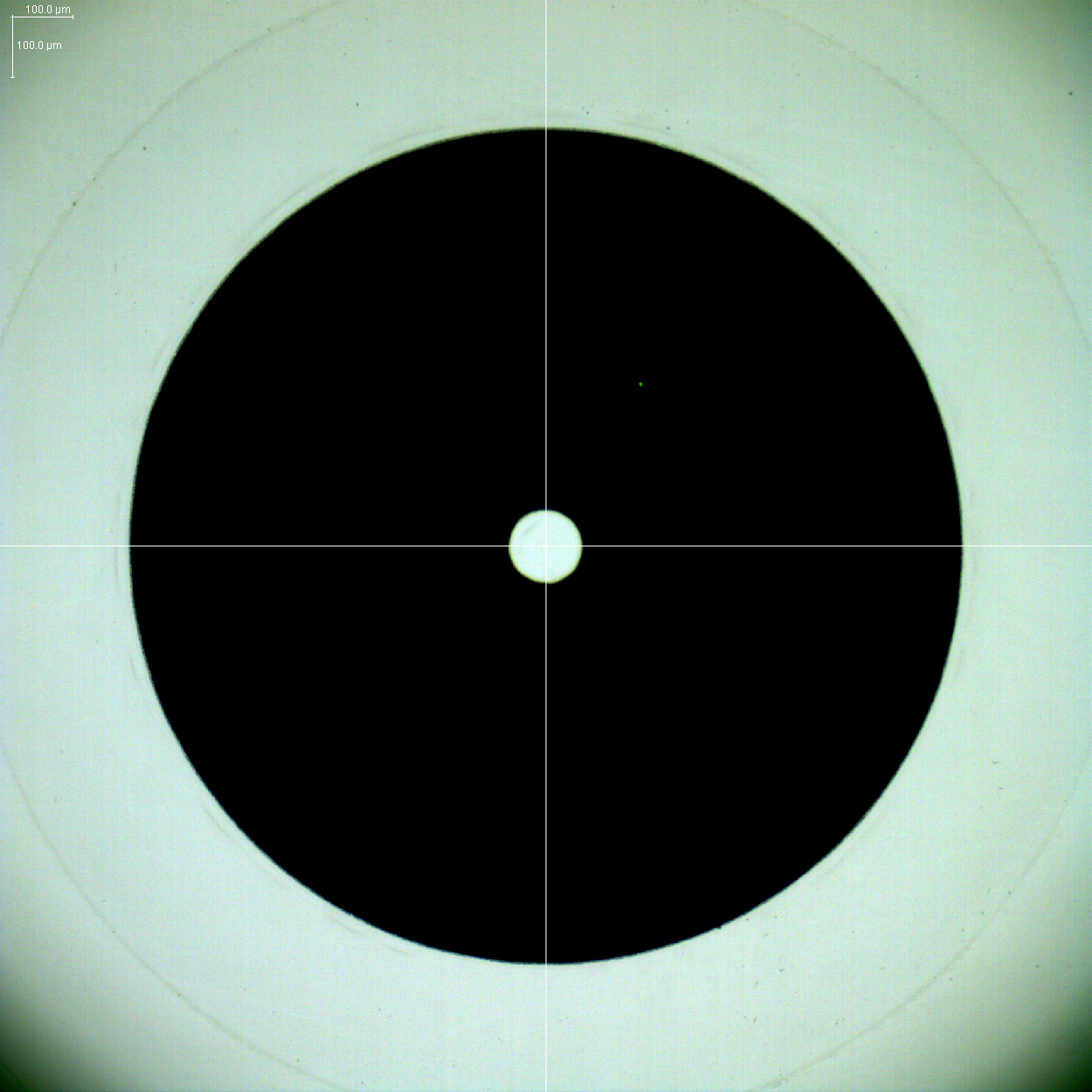
25 × 30 mm slides with a ready-made bevel and numbered coordination marks (the University of Melbourne "1–3" convention), supplied in boxes of 50 and lots of 1,000 to 10,000. They fit most laser-ablation and ICP-MS holders, avoid the common over-ground bevel problem, and — because each mark's centring hole sits in exactly the same place — enable automatic coordination in our software using only the 10× objective.
Describe your workflow and sample volumes — we will recommend a configuration, not a shopping list.